Exoskeleton Robots
Wearable robotic systems that augment human strength, endurance, and mobility
Augmenting Human Capability
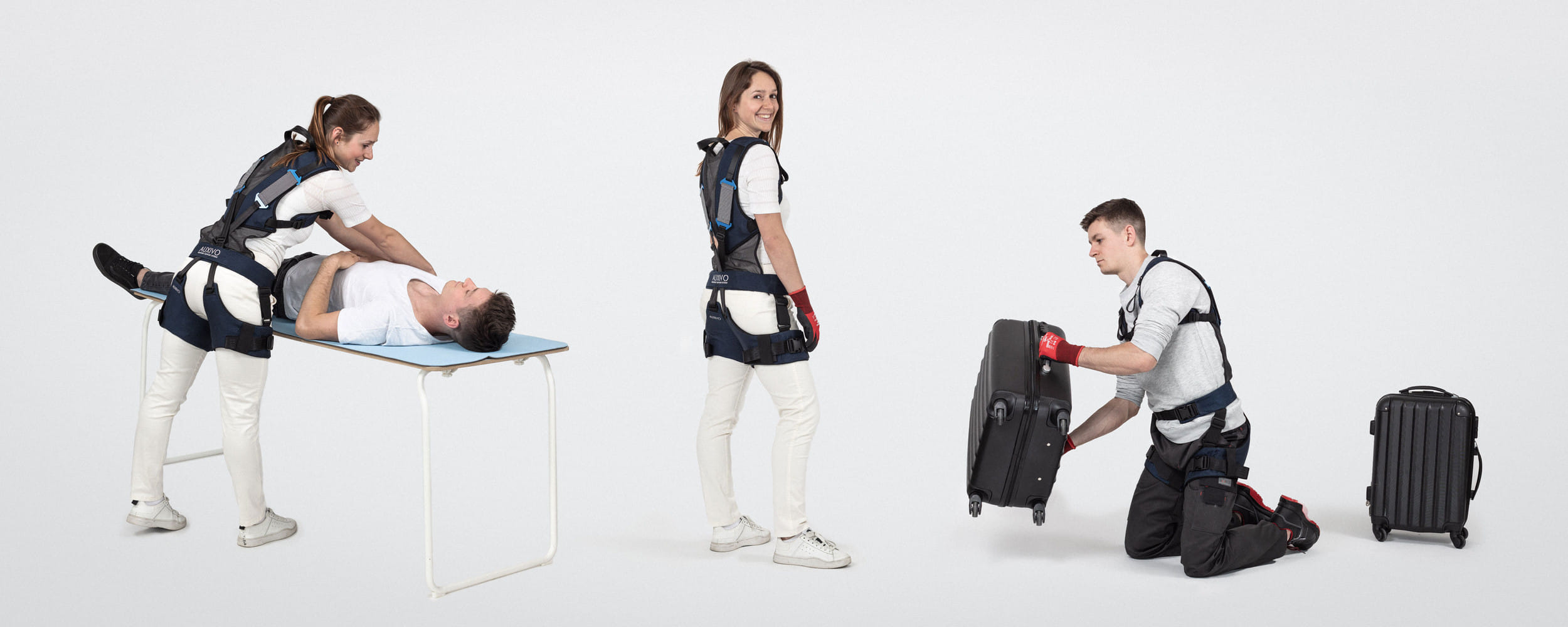
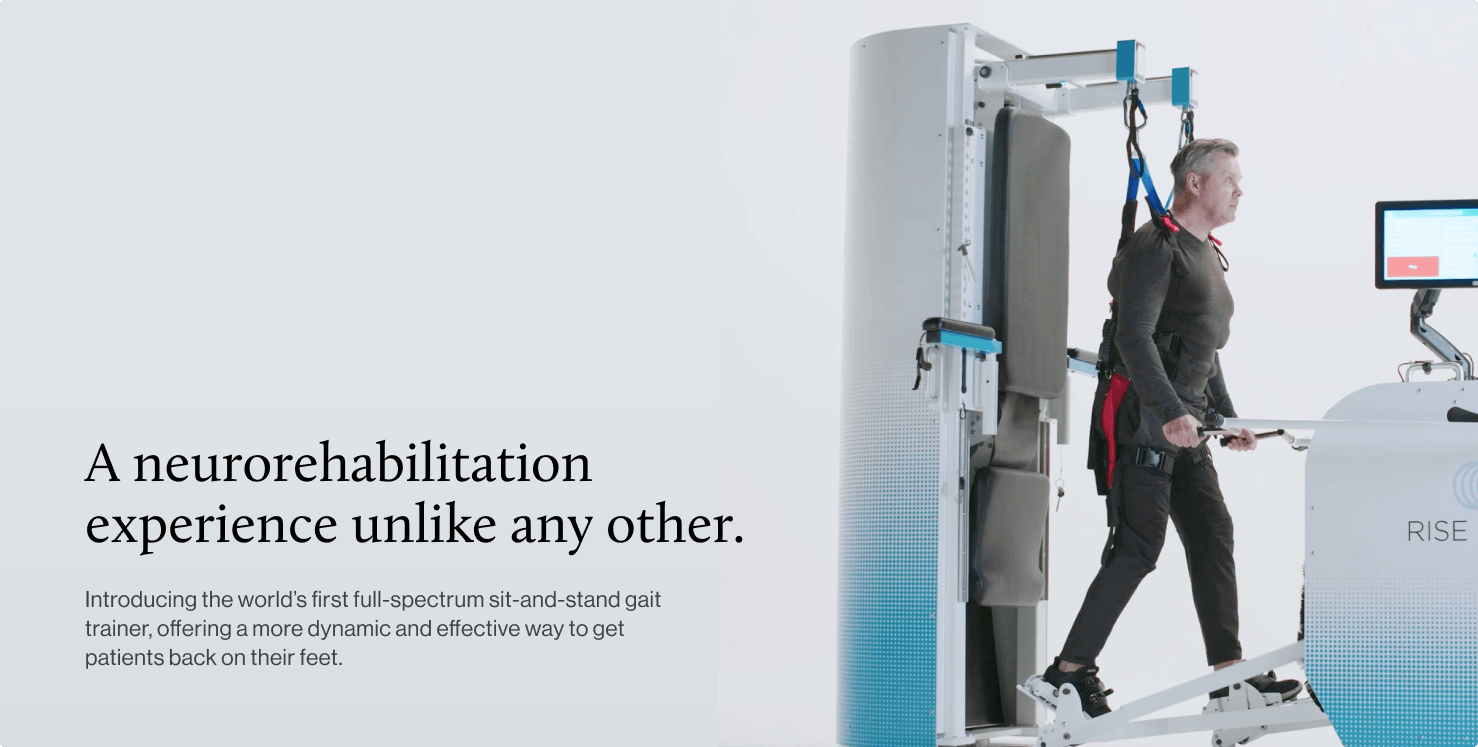
Exoskeletons are wearable robotic devices that augment human physical capability across industrial, medical, and military domains. In industrial settings, exoskeletons reduce worker fatigue and musculoskeletal injury by 40-60%, enabling employees to lift heavier loads and perform overhead tasks for extended periods without strain. In healthcare, FDA-approved medical exoskeletons are enabling paraplegic patients to walk again and accelerating stroke rehabilitation with guided, repetitive movement therapy.
Key players in the exoskeleton industry include Ekso Bionics, ReWalk Robotics, Sarcos (now part of Paladin AI), SuitX, and Japan's Cyberdyne with its HAL (Hybrid Assistive Limb) system. Military programs continue to drive R&D investment, with powered exosuits designed to help soldiers carry heavy loads over long distances while reducing fatigue and injury risk.
The market is split between passive exoskeletons—which use springs, counterweights, and mechanical linkages without motors or batteries—and active (powered) designs that incorporate electric actuators, sensors, and control systems. Passive designs dominate industrial adoption due to lower cost and simplicity, while powered exoskeletons lead in medical rehabilitation where precise, programmable movement assistance is essential.
Exoskeleton Robot Categories
Industrial Exoskeletons
Wearable robotic systems that reduce worker fatigue and injury in manufacturing, construction, and logistics.
52 companies →Medical/Rehabilitation Exoskeletons
FDA-approved powered exoskeletons enabling paralyzed patients to walk and supporting stroke rehabilitation therapy.
41 companies →Military Exoskeletons
Ruggedized exosuits for load carrying, endurance enhancement, and soldier augmentation in defense applications.
0 companies →Passive Exoskeletons
Spring-based and unpowered wearable supports that redistribute loads without motors or batteries.
9 companies →Powered Exoskeletons
Active motor-driven exoskeletons with sensors and actuators providing full-body or limb-specific augmentation.
52 companies →Top Exoskeleton Robotics Companies
| # | Company | Country | Funding / Valuation | Focus Area |
|---|---|---|---|---|
| 1 |  | United States | $5B | Apollo |
| 2 |  | United States | $1.3B | Guardian XO |
| 3 |  | United States | $300M | Axonics Sacral Neuromodulation System |
| 4 |  | China | $150M+ | GR-3 |
| 5 |  | United States | $75M+ | Yomi |
| 6 |  | United States | $50M | NEO |
| 7 |  | Germany | $50M+ | Cray X |
| 8 |  | France | $50M+ | Atalante X |
| 9 |  | United States | $42.9M | SmartBadge |
| 10 |  | United States | $30M | - |
| 11 |  | United States | $20M+ | LUKE Arm |
| 12 |  | United States | $18M | - |
| 13 |  | United Kingdom | $15.7M | Hero Arm |
| 14 |  | Poland | $15M | - |
| 15 |  | United States | $12M+ | Elevate |
| 16 |  | Poland | $11.3M | Zeus Bionic Hand |
| 17 |  | Japan | $11M | Bionic Leg |
| 18 |  | Canada | $10M | Trexo Home |
| 19 |  | South Korea | $10M | ALLEX |
| 20 |  | United States | $9.2M | DREEVEN |
Exoskeleton Robots by Country
All Exoskeleton Robotics Companies (68)