Types of Robots
A comprehensive guide to 16 categories of robots—what they do, where they're used, and who builds them.
Industrial Robots
The backbone of modern manufacturing
Industrial robots are fixed or mobile machines used in manufacturing for tasks like welding, painting, assembly, material handling, and quality inspection. They typically operate in caged environments at high speed and precision. The automotive industry is the largest user, but electronics, food, pharmaceuticals, and metals are also major adopters.
Payload: 3–2300 kg | Reach: 0.5–4.7 m | Repeatability: ±0.01–0.1 mm | 4–7 axes




Collaborative Robots (Cobots)
Safe enough to work alongside humans
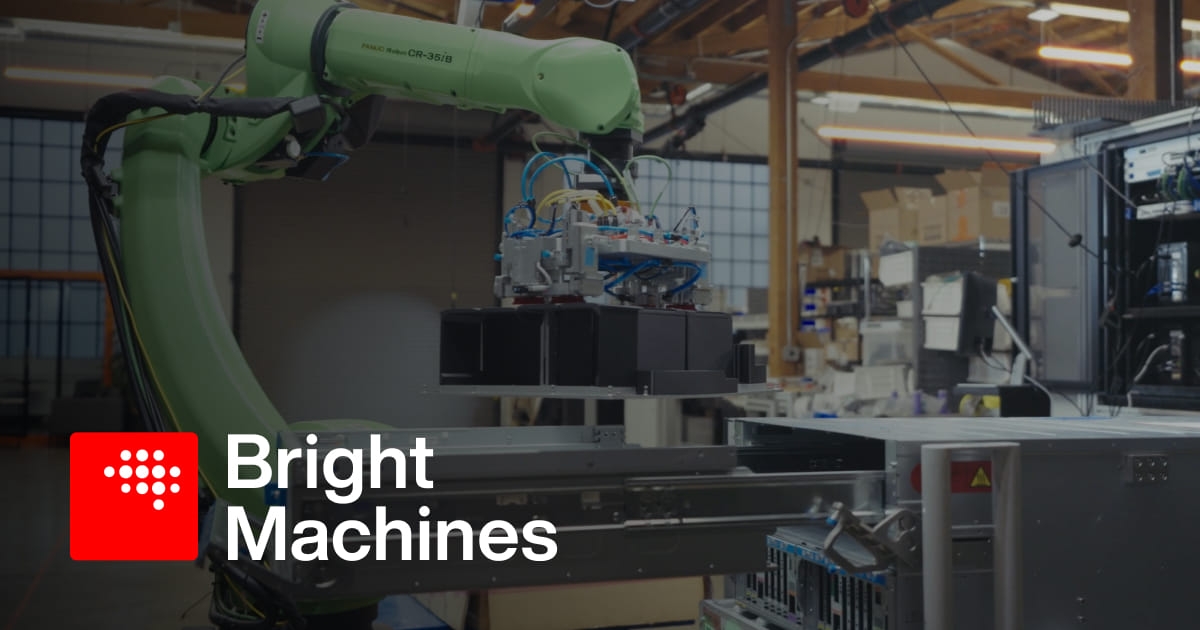
Cobots are designed to operate safely in shared workspaces with human workers, without safety cages. They feature force-limiting joints, rounded surfaces, and lower speeds. Cobots are ideal for small-batch manufacturing, quality inspection, machine tending, and tasks requiring human-robot collaboration. They are easier to program than traditional industrial robots.
Payload: 0.5–25 kg | Speed: up to 1 m/s | Force limit: 80–250 N | ISO/TS 15066 compliant






Humanoid Robots
Human form for human environments
Humanoid robots have a human-like body plan with bipedal locomotion, arms, and a head. This form factor allows them to operate in environments built for humans—navigating stairs, using tools, and interacting naturally with people. The category has seen explosive investment since 2023, with companies racing to build general-purpose humanoids for factories and homes.
Height: 1.5–1.9 m | Weight: 50–90 kg | DOF: 30–55 | Battery: 1–4 hours



Autonomous Mobile Robots (AMRs)
Self-navigating robots for transport and logistics
AMRs navigate dynamically using sensors, cameras, and AI—unlike AGVs which follow fixed paths. They transport materials in warehouses, factories, and hospitals. AMRs use SLAM (Simultaneous Localization and Mapping) to build maps and avoid obstacles in real time. The market has grown rapidly with e-commerce demand.
Payload: 10–1500 kg | Speed: 1–2 m/s | Navigation: LiDAR + camera SLAM | Battery: 8–16 hrs



Surgical Robots
Precision instruments for minimally invasive surgery
Surgical robots assist surgeons with enhanced precision, smaller incisions, and 3D visualization. The surgeon controls the robot from a console, with instruments that can rotate 360° and filter out hand tremor. Applications span general surgery, urology, gynecology, orthopedics, neurosurgery, and cardiac procedures.
Precision: sub-millimeter | Arms: 3–4 | Instruments: 5mm+ | 3D HD visualization






Drones / UAVs
Aerial robots for every industry
Unmanned Aerial Vehicles range from small consumer quadcopters to large fixed-wing systems for industrial use. Applications include aerial photography, infrastructure inspection, agriculture spraying, delivery, mapping, search and rescue, and military surveillance. Advances in battery technology and autonomy are expanding use cases rapidly.
Flight time: 20–120 min | Range: 1–100+ km | Payload: 0.1–25 kg | Autonomy: waypoint to full





Agricultural Robots
Autonomous farming from seed to harvest
Agricultural robots (agbots) automate labor-intensive farming tasks: planting, weeding, spraying, monitoring, and harvesting. They address chronic labor shortages in agriculture while reducing pesticide use through precision application. Computer vision identifies individual plants and weeds, enabling targeted treatment rather than broadcast spraying.
Coverage: 1–20 acres/hr | Precision: plant-level | Power: electric/solar | Autonomy: full field operation




Warehouse & Logistics Robots
The engine behind same-day delivery
Warehouse robots handle goods movement, order picking, sorting, and palletizing in fulfillment centers. Goods-to-person systems bring shelves to workers; piece-picking robots use vision and suction to handle individual items. The sector exploded after Amazon's 2012 Kiva acquisition and has accelerated with e-commerce growth.
Pick rate: 300–1000 picks/hr | Payload: 50–1500 kg | Navigation: autonomous SLAM




Service Robots
Robots that serve, clean, and assist
Service robots operate in public-facing environments: hotels, restaurants, hospitals, airports, and retail stores. They deliver food and packages, clean floors, greet customers, provide information, and assist with inventory. The sector grew significantly during and after the COVID-19 pandemic as businesses sought contactless solutions.
Payload: 10–50 kg | Battery: 8–16 hrs | Navigation: indoor SLAM | Interface: touchscreen/voice




Autonomous Vehicles
Self-driving cars, trucks, and robotaxis
Autonomous vehicles use cameras, LiDAR, radar, and AI to navigate roads without human drivers. The technology spans passenger robotaxis, long-haul trucking, and last-mile delivery. SAE levels range from L2 (driver assistance) to L5 (full autonomy). Commercial robotaxi services now operate in several US cities.
Sensors: 6–12 cameras, 1–5 LiDAR, 6+ radar | Compute: 200–2000 TOPS | SAE Level: 2–4



Marine & Underwater Robots
Exploring and working beneath the waves
Marine robots include ROVs (Remotely Operated Vehicles) tethered to ships and AUVs (Autonomous Underwater Vehicles) that operate independently. They inspect offshore oil platforms, lay subsea cables, survey ocean floors, monitor marine ecosystems, and support naval operations. Depth ratings range from shallow coastal to full-ocean depth (11,000m).
Depth: 100–11,000 m | Endurance: 4–72 hrs | Navigation: INS + acoustic | Manipulation: 5–7 DOF arms






Construction Robots
Building the future, brick by brick
Construction robots automate tasks like bricklaying, concrete pouring, rebar tying, welding, demolition, painting, and site inspection. 3D printing robots can produce entire building structures from concrete. The construction industry—one of the least digitized sectors—is adopting robots to address labor shortages, improve safety, and increase speed.
Speed: 300–500 bricks/hr (masonry) | Print volume: up to 12m³ | Accuracy: ±1–3 mm





Defense & Military Robots
Protecting personnel with unmanned systems
Military robots perform dangerous tasks: bomb disposal (EOD), reconnaissance, logistics, border patrol, and combat support. They range from small throwable scouts to large unmanned ground vehicles. Many defense robotics innovations—including the internet, GPS, and autonomous navigation—have spun off into civilian applications.
Weight: 0.5–10,000 kg | Endurance: 2–72 hrs | Control: teleoperation to semi-autonomous


Exoskeletons
Wearable robots that augment human ability
Exoskeletons are worn on the body to augment strength, endurance, or mobility. Powered versions use motors for active assistance; passive versions use springs and counterweights. Industrial exoskeletons reduce worker fatigue and injuries. Medical exoskeletons help paraplegic patients walk and support stroke rehabilitation.
Weight: 2–25 kg | Assistance: 30–100% effort reduction | Battery: 4–8 hrs (powered)




Space Robots
Operating beyond Earth's atmosphere
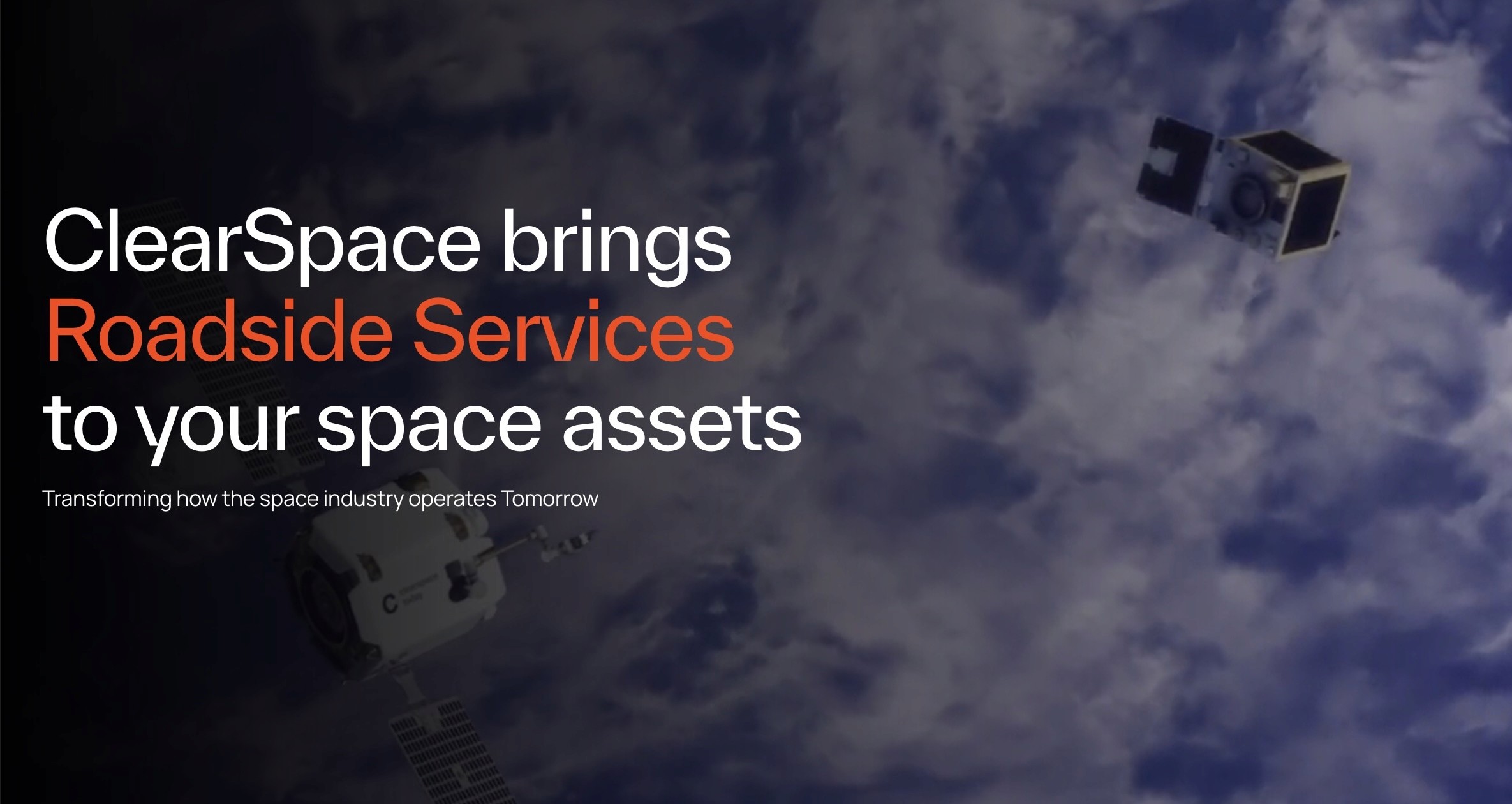
Space robots perform tasks in orbit and on other planets: satellite servicing, debris removal, planetary exploration, and space station maintenance. They must withstand extreme temperatures, radiation, and vacuum. Notable examples include Mars rovers, the Canadarm on the ISS, and emerging orbital servicing vehicles.
Environment: vacuum, -270°C to +120°C, high radiation | Latency: 4–24 min (Mars) | Autonomy: high




Home & Consumer Robots
Robots in everyday life
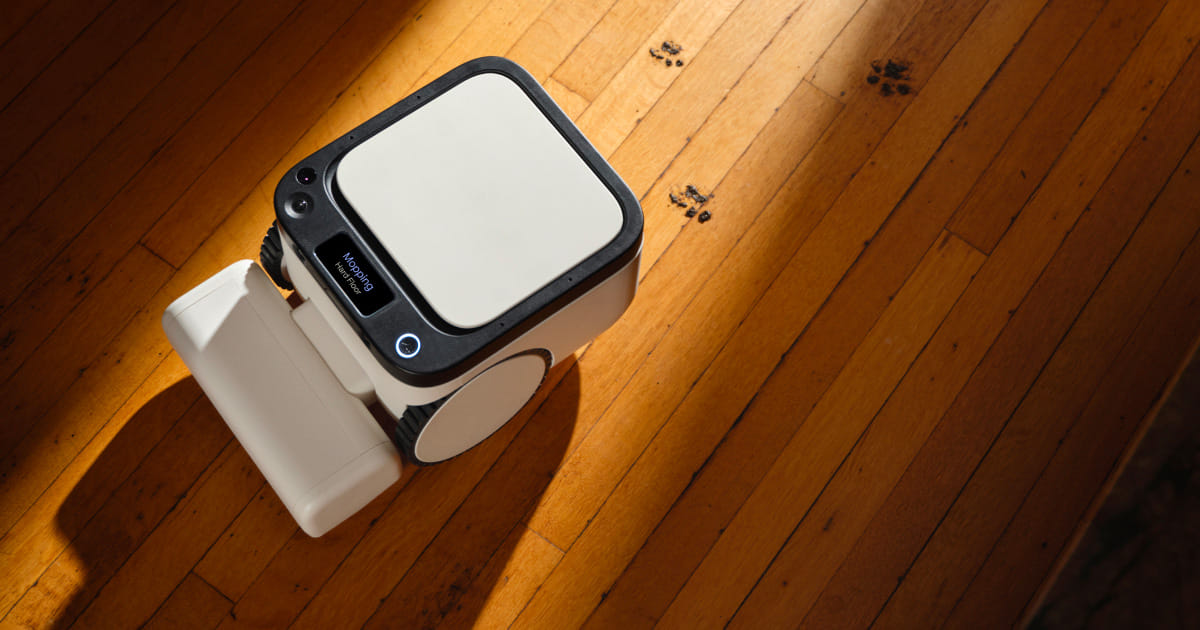
Consumer robots handle household tasks: vacuuming (Roomba), mopping, lawn mowing, pool cleaning, and home security. More advanced home robots are emerging for companionship, elder care, and general-purpose home assistance. The segment is the most price-sensitive, with products ranging from $200 to $2000+.
Price: $200–$2000+ | Battery: 1–4 hrs | Navigation: SLAM/structured | Connectivity: WiFi/app



Robot Types at a Glance
| Type | Companies | Total Funding | Key Examples |
|---|---|---|---|
| Industrial Robots | 328 | $5.7B | FANUC, ABB, KUKA, Yaskawa |
| Autonomous Mobile Robots (AMRs) | 292 | $12.3B | Locus Robotics, MiR, 6 River Systems, Fetch Robotics |
| Service Robots | 253 | $8.5B | Bear Robotics, Pudu Robotics, SoftBank Robotics, Brain Corp |
| Warehouse & Logistics Robots | 206 | $9.7B | Amazon Robotics, Symbotic, Berkshire Grey, Locus Robotics |
| Autonomous Vehicles | 175 | $31.6B | Waymo, Cruise, Tesla, Aurora |
| Surgical Robots | 140 | $10.0B | Intuitive Surgical, Medtronic, Stryker, Johnson & Johnson |
| Drones / UAVs | 119 | $11.4B | DJI, Skydio, Zipline, Wing |
| Agricultural Robots | 115 | $4.7B | John Deere, Aigen, FarmWise, Iron Ox |
| Defense & Military Robots | 94 | $5.6B | Boston Dynamics, QinetiQ, Northrop Grumman, Shield AI |
| Humanoid Robots | 82 | $9.8B | Figure AI, Tesla, Boston Dynamics, Agility Robotics |
| Collaborative Robots (Cobots) | 73 | $2.0B | Universal Robots, FANUC, ABB, Doosan Robotics |
| Marine & Underwater Robots | 71 | $843M | Saab Seaeye, Oceaneering, ECA Group, Cellula Robotics |
| Construction Robots | 64 | $1.6B | Construction Robotics, Dusty Robotics, Hadrian X, ICON |
| Exoskeletons | 55 | $1.3B | Ekso Bionics, ReWalk, SuitX, Cyberdyne |
| Space Robots | 46 | $2.5B | NASA JPL, Astroscale, Gitai, Motiv Space Systems |
| Home & Consumer Robots | 41 | $853M | iRobot, Ecovacs, Husqvarna, Samsung |